How to Invest in Easy Equities
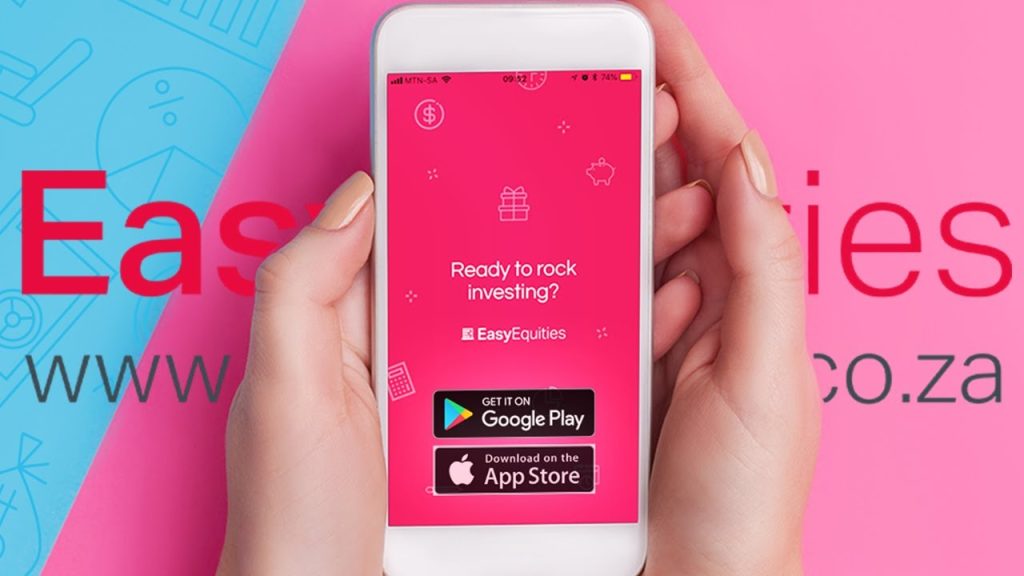
If you have been wondering how to invest in Easy Equities, you are in the right place. The Easy Equities platform has been designed to be user-friendly and intuitive, so even though this might be new territory for you, once you get going you will find investing to be an easy and simple process. This guide walks you through everything from opening your account to choosing your first investment, with practical steps designed for South African investors in 2026.
For a broader overview of the platform, including fees, account types, and how it compares to other brokers, read our full Easy Equities Review.
How to Invest in Easy Equities for Beginners
Getting started on Easy Equities as a beginner is simpler than most people expect. Easy Equities is a great option for both beginner investors and those looking for portfolio diversification. Trading fees are low and accounts can be opened for free with no trading fees. The broker offers excellent training as well as analytical tools, and the platform is user-friendly with a decent selection of trading tools.
Here is the basic path every beginner follows:
Step 1: Create your account. Visit the Easy Equities website or download the app and click on the Register button. You will need to select your country of citizenship, provide a valid email address, create a username, and set a secure password.
Step 2: Verify your identity. You will be required to upload a copy of your South African ID, passport, or driver’s license along with proof of residence such as a bank statement. This is part of the FICA compliance process required by South African law.
Step 3: Deposit funds. You can fund your account via EFT, Instant EFT, Capitec Pay, or Apple and Google Pay. There are no account minimums and no minimum investment size. You can invest in fractional share rights, meaning you invest with as much money as you have available in a piece of a share, with all the benefits of owning a full one.
Step 4: Choose your first investment. Browse the platform for shares or ETFs that match your goals and risk appetite.
Step 5: Place your investment. Select the account you want to invest in and then tap Invest. You can now choose the type of investment you would like to make, for example shares or ETFs, and the amount you want to invest.
How to Start Investing on Easy Equities: Step-by-Step
Once your account is set up and funded, the process of actually investing is straightforward. You can manage your account through the Easy Equities website or mobile app. The platform allows you to monitor investments, buy or sell shares, track performance, update personal information, and access statements securely, making account management convenient and user-friendly.
Here is the step-by-step process in full:
- Log in to your Easy Equities account on the app or the website.
- Navigate to the Invest Now section.
- Select the account you want to use, whether that is your ZAR account, USD account, or Tax-Free Savings Account.
- Search for the share or ETF you want to invest in using the search bar.
- Enter the rand amount you want to invest, not the number of shares.
- Review the order and confirm.
You can also set up a recurring investment so that you automatically contribute to your investment monthly, quarterly, or annually. This is a powerful feature for long-term wealth building, as it removes the emotional aspect of deciding when to invest and ensures consistency over time.
You can also easily and quickly fund your international wallets using the low-cost, easy to use EasyFX solution. This makes it practical to invest in US and global markets without the complexity of traditional forex transfers.
What to Invest in on Easy Equities
One of the most common questions new investors ask is what they should actually put their money into. The various assets that one can invest in on the Easy Equities platform are shares, ETFs, crypto, ETNs, and unit trusts. Each asset class has different risk profiles, return potential, and suitability depending on your goals.
ETFs: The Best Starting Point for Beginners
An ETF gives you access to a collection of assets like shares or bonds, all bundled into one fund. Think of it as a basket holding a variety of investments. Unlike regular funds, ETFs trade on the stock exchange, meaning you can buy or sell them throughout the day, just like a share. They are known for being affordable, transparent, and easy to manage, making them a great way to diversify your investments.
Many ETFs also qualify for a Tax-Free Savings Account. This is a significant advantage for long-term investors, as it means your growth and dividends are sheltered from tax.
The most common ETFs are designed to track the performance of a market benchmark or index by mirroring the makeup of that index in a portfolio. Other ETFs can track things like how gold is doing, for example the NewGold ETF, or the performance of the MSCI Emerging Markets Investable Markets index. When these indexes go up or down, so does that ETF’s price and the value of your investment.
Shares (Individual Stocks)
By offering up and selling parts of its ownership, a company can use the money generated from the sale of those parts to do more and grow. Those parts that are up for grabs are called shares. When you buy shares in a company, you become a part-owner and benefit when the company grows in value or pays out dividends.
You can buy shares in your favourite companies with whatever money you have to spend. This is because Easy Equities offers fractional share rights, which means you can now buy a part of a share instead of the whole thing.
Managed Bundles
A bundle is an investment portfolio that is owned by an individual investor but looked after and managed by a professional money manager, who receives a fee in return. Bundles are a good middle-ground option for investors who want professional oversight without the full cost of a traditional financial adviser.
Baskets
A basket is a collection of shares with assigned weightings which has been pre-selected by a well-known personality or professional investor. Unlike ETFs and equities, baskets are unique to Easy Equities but contain instruments that are listed on an exchange.
Which Companies to Invest in on Easy Equities
Choosing the right companies to invest in requires understanding your investment goals, your time horizon, and your tolerance for risk. The shares to trade depend on several factors, including the investor’s objectives, the investor’s appetite for risk, and their view of the market, both short and long-term.
For a detailed breakdown of specific companies suited to Easy Equities investors, read our article on the top 10 companies to invest in on Easy Equities.
JSE-Listed South African Companies
South Africa’s Johannesburg Stock Exchange is home to some well-established companies across financial services, retail, mining, and telecommunications. A diversified investment may also involve investment classes such as equities, ETFs, and commodities. Stocks like Shoprite Holdings and Satrix RESI, for instance, allow investors to invest in the domestic market and obtain fixed-income results.
With Easy Equities, you can purchase fractional shares of Shoprite Holdings Limited, which allows you to invest any amount regardless of its size. Shoprite Holdings Limited has a track record of paying dividends to its shareholders. If you select the reinvestment option, Easy Equities will automatically reinvest your dividends into additional shares of Shoprite or other investments.
Global Companies via the USD Account
You can invest in shares from local JSE-listed companies in South Africa and diversify your portfolio with recognised brands from America, Australia, Europe, and Britain. As these businesses flourish, so does the potential for your investment to grow.
You can invest in companies you love on the New York Stock Exchange, Australian, UK, and Euro stock exchanges. This gives South African investors access to global growth stories that are not available on the JSE.
Where to Invest on Easy Equities
Easy Equities offers multiple markets and account types that determine where your money is invested.
ZAR Account: This account gives you access to JSE-listed shares, ETFs, and local investment products in South African rands. It is the most natural starting point for South African residents.
USD Account: This account allows you to invest in US-listed stocks and ETFs using US dollars. You can also invest in EUR, GBP, and AUD. These accounts open the door to global diversification.
Tax-Free Savings Account (TFSA): A TFSA allows South African investors to shelter up to R36,000 per year from income tax, dividends tax, and capital gains tax. Many ETFs qualify for a Tax-Free Savings Account, making this account type one of the most powerful tools for long-term wealth building available to South Africans.
Retirement Annuity (RA): Easy Equities also offers a retirement annuity account where contributions can reduce your taxable income, providing a tax benefit while building toward retirement.
How Much Can You Invest in Easy Equities?
One of the biggest advantages of the Easy Equities platform is that there is no meaningful minimum investment threshold. Because of the rand-based investing setup, a unique feature that only Easy Equities offers, the amount you invest can be as little as R5, $10, or whatever amount you have available to invest with.
There is no maximum investment limit either. Whether you have R50 or R500,000, the platform accommodates your budget. You can build a diverse portfolio with local and international shares, crypto, property, and more with no minimums and super low fees.
This makes Easy Equities particularly well-suited to young investors, students, and people who are just beginning their investment journey and may not have large amounts of capital to deploy immediately.
How to Invest in Gold on Easy Equities
Gold is often considered a safer asset during periods of economic uncertainty and market volatility. On Easy Equities, you can gain exposure to gold without physically buying or storing gold bars. The most popular method is through gold ETFs.
The most common ETFs are designed to track the performance of a market benchmark or index by mirroring the makeup of that index in a portfolio. Other ETFs can track things like how gold is doing, for example the NewGold ETF.
The NewGold ETF is a JSE-listed exchange-traded product that tracks the spot price of gold. Each unit you buy represents a small fraction of a troy ounce of gold held in a vault. This allows South African investors to access gold pricing in rands without the complexity of currency conversion, physical delivery, or storage costs.
Gold can serve as a hedge in a balanced portfolio, helping to offset losses in equities during downturns. However, it does not pay dividends and its return is purely dependent on price movement. Always consider how gold fits into your broader investment strategy before committing capital.
Commodity ETFs bring diversification advantages, although with higher-level risks attributable to market fluctuations.
Why Is My Easy Equities Funds to Invest Negative?
A negative “funds to invest” balance is one of the more confusing things new users encounter on the Easy Equities platform. Here are the most common reasons this happens:
Pending Transactions: When you place a buy order, Easy Equities reserves those funds immediately even if the trade has not yet fully settled. If you placed an order that is still being processed, those funds will be deducted from your available balance in advance, which can temporarily show as a negative figure if your account balance is low.
Unsettled Funds: Cash from a recent share sale is not immediately available. The JSE operates on a standard 5-day settlement cycle. During this period, the funds from your sale are shown as unsettled and cannot yet be used for a new purchase.
Fee Deductions: Easy Equities charges a brokerage fee and a clearing fee on each trade. If a fee is deducted and your account does not have sufficient cash to cover it, your available balance can go negative.
Currency Conversion Timing: If you are investing across the ZAR and USD accounts, currency conversion rates are applied at the time of transaction. Any delays or fluctuations in the conversion rate can temporarily affect your displayed balance.
The solution is straightforward. Simply deposit additional funds into your account or wait for your unsettled cash to clear before placing a new trade. You can also request early settlement for a small fee, which releases your funds before the standard settlement period ends.
Building a Long-Term Investment Strategy on Easy Equities
Knowing how to invest is one thing, but building a strategy that works over years and decades is what separates successful investors from those who quit too early. Portfolios can be structured in different ways to suit your investment profile.
A few principles that stand the test of time for South African retail investors include:
Start early and invest regularly. The earlier you start, the longer your money has to grow through compounding. You can set up a recurring investment so that you automatically contribute monthly, quarterly, or annually. This removes the burden of timing the market and builds discipline over time.
Diversify across asset classes and geographies. A diversified investment may also involve investment classes such as equities, ETFs, and commodities. Spreading your investments across South African shares, global ETFs, and defensive assets like gold reduces the impact of any single market event on your overall portfolio.
Use your Tax-Free Savings Account first. Many ETFs qualify for a Tax-Free Savings Account. Maxing out your TFSA contribution each year means your investment growth is never taxed, which dramatically improves your long-term returns.
Reinvest your dividends. Dividend reinvestment accelerates the compounding of your portfolio. Many shares and ETFs on Easy Equities pay regular dividends, and reinvesting those payments means your money is constantly working harder for you.
FAQs
1. How do I start investing in Easy Equities?
To start trading on the Easy Equities platform, you will need to open an account. This is a simple and streamlined process. Click on one of the multiple Register buttons located on the Easy Equities home page. Once registered and verified, deposit funds and select your first investment from the Invest Now section.
2. What is the minimum amount I need to invest on Easy Equities?
Because of the rand-based investing setup, a unique feature that only Easy Equities offers, this amount can be as little as R5, $10, or whatever amount you have available to invest with. There is no maximum limit.
3. What is the best thing to invest in on Easy Equities for beginners?
ETFs trade on the stock exchange, meaning you can buy or sell them throughout the day, just like a share. They are known for being affordable, transparent, and easy to manage, making them a great way to diversify your investments. Beginners are generally advised to start with broad-market ETFs before moving into individual stocks.
4. Can I invest in gold on Easy Equities?
Yes. You can access gold through the NewGold ETF, which is listed on the JSE and available on the Easy Equities platform. ETFs can track things like how gold is doing, for example the NewGold ETF. When these indexes go up or down, so does that ETF’s price and the value of your investment.
5. Why is my Easy Equities funds to invest balance showing as negative?
This typically happens due to pending transactions, unsettled cash from recent sales, or fee deductions. Funds from a share sale take up to 5 business days to settle before they become available for reinvestment. You can request early settlement for a small fee if you need access to the funds sooner.
6. Can I invest in US shares on Easy Equities?
Yes, you can invest in companies listed on the New York Stock Exchange, as well as Australian, UK, and Euro stock exchanges. You will need to fund your USD account and use the EasyFX tool to convert your rands.
7. What companies can I invest in on Easy Equities?
You can invest in shares from local JSE-listed companies in South Africa and diversify your portfolio with recognised brands from America, Australia, Europe, and Britain. For a curated list of specific companies, visit our guide on the top 10 companies to invest in on Easy Equities.